
Kettering Guts CardioMEMS Busywork, Bleeds 77% of Clinician Time
Same implant, same readings, same Epic, but the four-and-a-half-hour weekly tax on every APP just collapsed to under an hour.
What used to take seven and a half minutes per patient was now taking about a minute and a half.
— Jody Underwood, Kettering Health Executive Director of Population Health
- The story everyone will tell is AI-in-healthcare. The actual story is swivel-chair elimination, three systems collapsed into one Epic view.
- Clinical success was capping the program. The waiting list was being throttled by APP hours, not by physician willingness to implant.
- Innovaccer's Story Health acquisition just got its case study. Expect every Epic shop with an Abbott Merlin workflow to get the call.
- Watch the second cohort. The 77% number came from a team that wanted the swap. The harder test is the team that didn't ask for it.
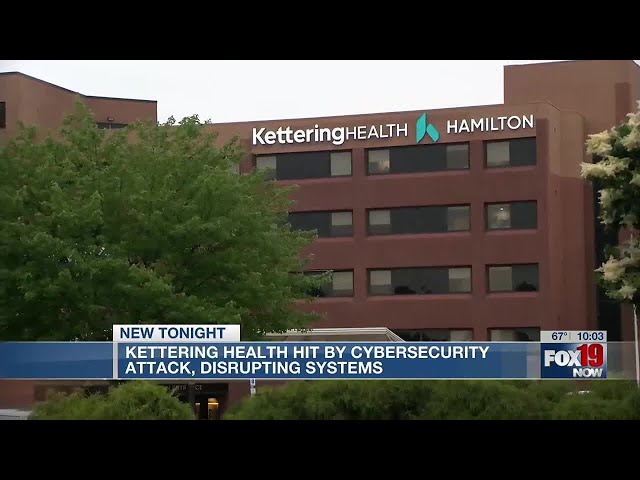
The press cycle on this one will read it as another AI-in-healthcare win, with a tidy 77% efficiency stat for the LinkedIn quote-card. The actual signal for any operator running a specialty-care program inside an Epic shop is older, smaller, and more useful: a clinically successful program was rationing implants because the people running it were drowning in tab-switching, and the fix was not a model, it was getting the data into the EHR they already lived in. Kettering Health, the Ohio system in question, did not buy a moonshot. It bought the end of a swivel-chair.
The Deployment
Kettering Health runs a CardioMEMS program, Abbott's implantable wireless sensor that reads pulmonary artery pressure in heart failure patients who've been hospitalized in the past year. Clinically, it was working. The pressure readings were genuinely informing volume-management decisions for the specialty-care team. Operationally, it was eating the team alive.
Per Jody Underwood, Kettering's executive director of population health, every patient interaction required advanced practice providers and registered nurses to assemble a picture from three places: the Abbott Merlin platform for the pressure readings, the Epic EHR for medication history and documentation, and the phone for the patient. There was no single view. Every clinical decision started with a manual data-assembly exercise.
The numbers Underwood put on it: APPs were spending roughly four and a half hours per week, each, on CardioMEMS-related work, reviewing data, following up with patients, adjusting diuretics, handling billing documentation. A routine temporary diuretic change took about seven and a half minutes per patient once you added every step, not counting the unanswered phone calls and the second pass to evaluate.
What pushed it from annoying to existential was the waiting list. Physicians wanted to implant more patients. Other patients wanted in. The team was already at the line. Kettering was looking at capping a clinically effective program because the operational layer was throttling growth.
The chosen platform was Story Health, from Innovaccer (Innovaccer acquired Story Health within the past year, per the source). The proposal was three layers stacked together: an Epic-embedded dashboard pulling CardioMEMS readings, home-device data, patient-reported symptoms, labs, and the full medication record into one view; a care-extension staffing model where trained RNs and health coaches handle routine alerts and patient engagement under Kettering-set protocols; and automation of billing documentation and SMS-based patient outreach. After go-live, a diuretic-adjustment workflow that took seven and a half minutes was clocking about a minute and a half. Aggregate clinician time spent on post-implant activities fell 77%.

Why It Matters
We've been here before. Every two or three years, a hospital system shows up in the trade press with a workflow-efficiency number large enough to do a press release on, and the read everyone wants to give it is "AI is changing medicine." That read is consistently wrong, or at least off-target. What changes medicine in these stories is almost never a model. What changes medicine is a vendor finally agreeing to put their data inside the EHR the clinician was already opening, instead of selling a separate console.
The Kettering case is the cleanest version of this pattern I've seen in the post-implant cardiology space. Notice what's actually doing the work in Underwood's account. The CardioMEMS sensor itself didn't change. The pressure-reading methodology didn't change. The Epic EHR didn't change. What changed was the location of the data, the location of the documentation write-back, and the existence of a non-physician layer (the trained RNs, the health coaches) authorised to act on routine alerts inside written protocols. The "AI" framing the story will pick up is doing less work here than the staffing model and the integration layer.
There's a category dynamic worth naming. Innovaccer's Story Health acquisition looks, in retrospect, like a bet on exactly this thesis: that the winners in specialty-care monitoring aren't going to be the device-data platforms, and aren't going to be the standalone monitoring SaaS, but the layer that disappears into Epic and lets the clinical workflow run in one tab. Abbott's Merlin platform, in this telling, is the loser, not because the device is wrong, but because the device's data console got swallowed by a layer above it. That's a familiar shape from the EHR consolidation cycle of the early 2010s, where every best-of-breed module eventually got eaten by Epic-adjacent tools the moment they could write back to the chart.
The other reason this story matters is the failure mode it averted. Kettering had two bad options before this: cap the program, or burn out the team running it. Both were happening implicitly. The waiting list was the cap. The four-and-a-half-hour weekly tax on each APP was the burnout. Underwood is direct about this in the source: clinical success was limiting the ability to expand. That sentence describes a meaningful share of all hospital-IT investment decisions and almost none of them get framed honestly. The genuine return on this kind of platform is not "AI productivity", it's the implants that can now happen because the team isn't pinned to administrative work.
What Other Businesses Can Learn
If you run a specialty-care program, heart failure, diabetes management, post-surgical monitoring, anywhere device data and EHR data have to be reconciled by a human, three things are worth pulling out of this case.
First, count the swivel-chair before you buy anything. Underwood's team didn't start with a vendor evaluation; they started with a measurement. Four and a half hours per APP per week. Seven and a half minutes per diuretic change. Those numbers are what made the procurement case, and they're what made the 77% number meaningful afterward. Without them, "we improved efficiency" is just a vibe. With them, it's a budget conversation. Spend a calendar week shadowing the clinicians actually doing the work and timing the steps. The unglamorous part of any successful integration project is the timing study that came before it.
Second, the EHR-embedded model is now the default, not the upgrade. If a vendor is selling you a separate console that your clinicians have to learn to live in alongside Epic (or Cerner, or Meditech), the burden of proof is on the vendor to explain why that's not a step backward. Five years ago this was a debate. Today it's settled. The integration model, write-back to Epic, alerts as Epic notifications, documentation native to the chart, is the table-stakes ask. The Story Health proposal won at Kettering at least partly because the vendor framed it that way from the first conversation.
Third, do not buy the platform without redesigning the staffing model around it at the same time. This is the part that gets lost in the LinkedIn version of the story. The 77% time reclamation didn't come from software alone. It came from software plus trained RNs working under written Kettering protocols, plus health coaches handling patient-facing engagement, plus automated billing documentation. Each of those layers required a governance decision, a protocol-writing exercise, and a willingness to let non-physicians act on routine alerts. Buying the integration without rebuilding the team around it would have produced a much smaller win.
The harder conversation is internal: what work in your specialty program is currently being done by a clinician that doesn't actually require a clinician, and what would have to be true (protocols, training, oversight) to move it down a level?
If you can answer that honestly for your own program, you know whether a Story-Health-shaped platform is the right buy or whether you'd be paying for software to automate work that shouldn't exist in the first place.
Looking Ahead
The signal to watch over the next twelve weeks is the second cohort. Kettering's numbers came from a team that explicitly wanted this change, Underwood was articulate about the pain, the leadership had measured the problem, the protocols were written before go-live. That's the easy case for any platform vendor. The harder test is the next health system Innovaccer signs that didn't already have a four-and-a-half-hour-per-week timing study in hand. If Story Health holds its efficiency gains in a shop where the leadership wasn't already convinced, the category is real. If it doesn't, what Kettering bought was excellent change management with software attached, which is a perfectly fine thing to buy but a much harder thing to scale.
Sources
More from the same beat.
LLMs Over Tools: The Quiet Migration
Same browser, new name, hard floor on what your stack is allowed to depend on.
- LLM creep isn't just in your head. Vendors are baking it into tools you already pay for, and charging you for it anyway.
Aleph Alpha Guts Sovereign AI, Bleeds OpenAI
Same inference, new name, hard floor on where your data executes, and who owns the keys.
- Aleph Alpha isn’t winning on model benchmarks, it’s winning on enforceable liability terms and on-prem deployment, which OpenAI can’t match under EU law.
$3.5B Bleeds Nvidia as Anthropic Locks Compute
The round looks like a valuation headline, but it locks the API price floor and enterprise SLA for 24 months, your migration clock starts now.
- Anthropic’s $3.5B isn’t fuel for R&D theater, it’s compute leverage. Every dollar spent on capacity locks the API price floor for 24 months. Your renewal gets cheaper, not pricier.